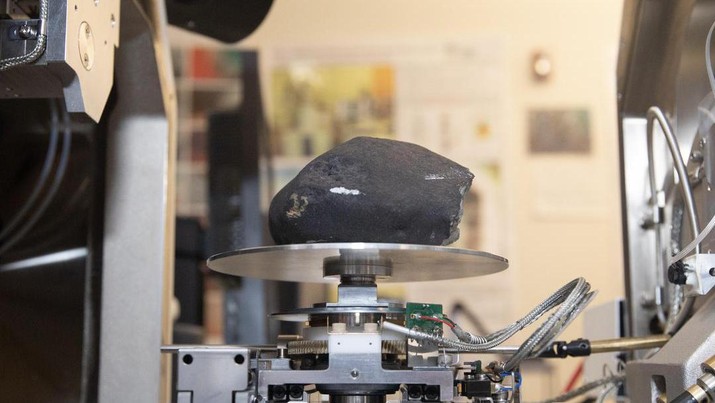
Foto: Profesor fisika TCNJ Nate Magee mengkonfirmasi hari ini bahwa benda yang baru saja jatuh mendarat di sebuah rumah tidak jauh dari kampus memang berasal dari luar angkasa. (Twitter @TCNJ)
Mulanya, harta karun itu dikira batu biasa yang jatuh dan mengenai atap rumah warga. Tak ada yang mengira batu antah-berantah itu super langka dan berusia sekitar 4,6 miliar tahun, dikutip dari BGR, Kamis (26/9/2024).
Untungnya, kepolisian setempat yang menemukan batu itu pada 8 Mei 2023, segera menghubungi Kepala Departemen Fisika TCNJ, Nathan Magee.
Setelah ditelusuri lebih lanjut, peneliti menemukan batu tersebut tak lain adalah meteorit super langka. Pakar dari Departemen Fisika di The College of New Jersey (TCNJ) melakukan beberapa kali uji coba dan observasi sebelum mengonfirmasi status batu misterius itu adalah meteorit.
Adapun meteorit langka ini merupakan jenis kelas atas yang disebut ‘stony chondrite’. Jenis meteorit yang pantas disebut harta karun ini merupakan ‘spesies’ bebatuan tertua di tata surya.
Menurut tim peneliti, sangat jarang chondrite bisa menghantam area populasi. Umumnya, meteorit ini akan jatuh di wilayah-wilayah remot seperti Antartika.
Adapun meteorit yang nyangkut di atas rumah di New Jersey memiliki ukuran 6-inci. Ketika pertama kali ditemukan, meteorit ini nyangkut di atap rumah.
Lalu, meteorit membolongi atap hingga jatuh di lantai sebuah kamar. Meteorit itu juga terpantau masih dalam keadaan hangat.
Karena usianya yang sangat lawas, meteorit langka ini dipercaya sudah hadir di awal pembentukan sistem tata surya.
Pakar mengatakan studi lebih lanjut soal meteorit tersebut bisa mengungkap fakta baru soal penciptaan planet Bumi, bagaimana sistem tata surya terbentuk, hingga data-data penting lainnya.
Sedimen yang dimaksud Jokowi untuk diekspor hanyalah sedimen yang mengganggu jalur kapal. Pernyataan tersebut disampaikan Jokowi usai meresmikan produksi smelter milik PTFI di Kawasan Ekonomi Khusus JIIPE, Gresik, Jawa Timur, pada Senin (23/9/2024).
“Yang diperbolehkan itu adalah sedimen pasir yang berada di jalur laut untuk kapal-kapal. Hati-hati, tolong dilihat,” ungkap Jokowi.
Dalam kesempatan tersebut, Jokowi memberikan penekanan bahwa hanya sedimen laut yang ada di jalur kapal yang boleh diekspor, bukan pasir laut secara umum.
Hal ini perlu dipahami dengan baik oleh masyarakat dan pelaku usaha untuk mencegah kesalahan pemahaman dan pelanggaran aturan. Lantas apa perbedaan keduanya?
Perbedaan Antara Pasir Laut dan Sedimen Laut
Untuk memahami pernyataan Presiden Jokowi secara lebih mendalam, kita perlu mengetahui perbedaan mendasar antara pasir laut dan sedimen laut. Meski kedua istilah ini sering kali dianggap sama, keduanya sebenarnya berbeda dalam beberapa aspek penting:
1. Sedimen Laut
Sedimen laut adalah material yang mengendap di dasar laut dan terdiri dari berbagai jenis partikel yang berasal dari proses alam, seperti pelapukan batuan, aktivitas vulkanik, sisa-sisa organisme laut, serta benda-benda luar angkasa yang masuk ke bumi.
Sedimen laut ini terbentuk melalui proses geologi yang panjang, termasuk dari hasil gempa bumi bawah laut yang mengaduk material di kepala ngarai laut, yang kemudian mengalir turun menuju dataran kontinental.
Sedimen laut berperan penting dalam ekosistem laut karena menyimpan nutrisi dan menyediakan habitat bagi berbagai organisme.
Sedimen laut dibagi ke dalam empat jenis utama berdasarkan asal usulnya:
Lithogenous: Sedimen ini terbentuk dari proses pelapukan batuan di daratan, yang kemudian terbawa ke laut. Partikel lithogenous umumnya berasal dari aktivitas vulkanik atau erosi tanah dan terdiri dari ukuran partikel kecil seperti terrigenous dan red clay (tanah liat abisal).
Biogenous: Sedimen ini terbentuk dari sisa-sisa organisme laut, seperti plankton dan kerang yang tidak larut dalam air. Ketika organisme ini mati, sisa-sisanya mengendap di dasar laut dan menjadi bagian dari sedimen biogenous.
Hydrogenous: Sedimen ini terbentuk dari reaksi kimia di air laut. Misalnya, ion-ion dari mineral yang terlarut di laut mengendap karena proses penguapan atau reaksi kimia lainnya, menghasilkan material seperti garam.
Cosmogenous: Sedimen ini berasal dari sisa-sisa tabrakan benda-benda luar angkasa, seperti komet atau asteroid, yang jatuh ke bumi dan mengendap di dasar laut.
2. Pasir Laut
Pasir laut adalah salah satu jenis sedimen laut yang spesifik. Pasir laut terbentuk dari hasil erosi batuan di daratan yang kemudian terbawa oleh sungai atau air laut menuju pesisir atau dasar laut dangkal.
Pasir ini umumnya berukuran lebih besar dibandingkan dengan sedimen laut lainnya, yaitu berkisar antara 0,55 hingga 2,5 mm. Ciri khas dari pasir laut adalah teksturnya yang halus, berbeda dengan pasir darat yang biasanya lebih kasar dan berukuran lebih besar. Pasir laut tersebar luas di garis pantai, delta sungai, daerah pasang surut, dan dasar laut dangkal.
Pasir laut memiliki banyak manfaat dalam sektor konstruksi. Ia sering digunakan sebagai bahan baku dalam pembuatan bata ringan, plester dinding, dan komponen beton. Namun, eksploitasi pasir laut secara berlebihan dapat berdampak negatif pada lingkungan, seperti menyebabkan abrasi pantai dan merusak keseimbangan ekosistem pesisir.
Fungsi dan Peran Sedimen Laut vs Pasir Laut
Meskipun pasir laut merupakan bagian dari sedimen laut, perannya berbeda dalam ekosistem.
Sedimen Laut:
Menyimpan nutrisi dan material organik: Sedimen laut kaya akan bahan organik dan mineral yang menjadi sumber nutrisi bagi berbagai organisme laut, seperti plankton, yang menjadi dasar rantai makanan laut.
Habitat bagi organisme: Banyak hewan laut hidup dan berkembang biak di dalam atau di atas sedimen laut, termasuk terumbu karang dan berbagai jenis ikan yang hidup di dasar laut.
Penyaring alami: Sedimen laut berfungsi sebagai penyaring alami yang menyerap polutan dan partikel berbahaya yang terlarut di air laut, sehingga membantu menjaga kualitas air laut.
Pasir Laut:
Melindungi ekosistem pesisir: Pasir laut memiliki peran penting dalam menjaga keseimbangan ekosistem pesisir. Secara alami, pasir laut membantu menyerap energi gelombang laut, yang mengurangi risiko abrasi pantai.
Fungsi dalam konstruksi: Pasir laut juga sangat berharga dalam industri konstruksi, meskipun penggunaannya harus diawasi secara ketat agar tidak merusak lingkungan.
Pelarangan ekspor pasir laut oleh pemerintah didasari oleh upaya menjaga keberlanjutan ekosistem pesisir.
Pasir laut berperan sebagai pelindung alami pantai dari kerusakan akibat gelombang laut, sehingga pengambilannya dalam jumlah besar bisa menyebabkan erosi yang parah. Sedangkan sedimen laut yang diizinkan untuk diekspor adalah material yang terletak di jalur pelayaran dan mengganggu lalu lintas kapal.
Sedimen semacam ini perlu dibersihkan untuk kelancaran transportasi laut, sehingga memiliki justifikasi untuk diambil dan diekspor.
Dalam hal ini, kebijakan ekspor sedimen laut hanya berlaku pada jenis sedimen yang spesifik, yaitu sedimen yang menghalangi jalur pelayaran. Kebijakan ini tidak berlaku untuk pasir laut biasa meskipun merupakan sedimen, memiliki peran ekologis yang lebih kritis di wilayah pesisir.
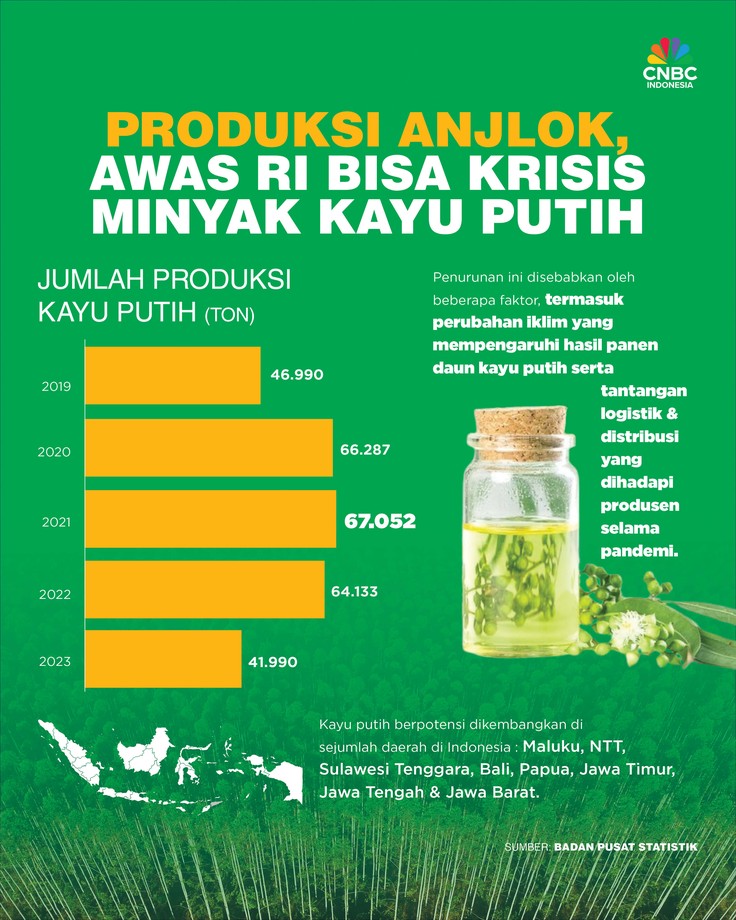
Proses pembuatan minyak kayu putih diawali dengan pengumpulan daun kayu putih (Eucalyptus), yang kemudian diolah melalui proses penyulingan (distilasi). Dalam proses ini, daun kayu putih dipanaskan dalam air mendidih sehingga menghasilkan uap yang mengandung minyak esensial. Uap tersebut kemudian didinginkan, dan minyak kayu putih dipisahkan dari air melalui kondensasi.
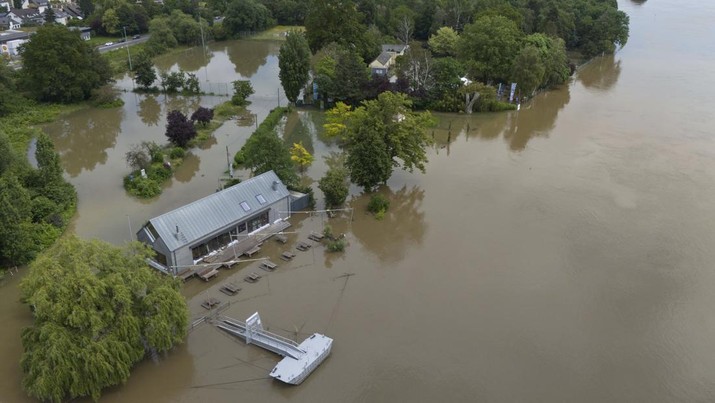
Lebih dari 1.000 penduduk di wilayah Emilia Romagna telah dievakuasi. Sementara kota-kota di wilayah tengah Marche melaporkan banjir bandang, dan dua orang dilaporkan hilang.
Pada Kamis (19/9), Presiden Komisi Eropa Ursula von der Leyen mengumumkan bantuan Uni Eropa sebesar 10 miliar Euro untuk negara-negara yang terdampak banjir.
Von der Leyen membuat pengumuman tersebut setelah bertemu dengan para pemimpin Polandia, Republik Ceko, Slowakia, dan Austria untuk membahas bantuan bagi wilayah yang dilanda banjir.
Pertemuan tersebut diadakan di kota Wroclaw, Polandia, yang juga tengah terancam tingginya permukaan air sungai selama berhari-hari.
“Masa yang luar biasa menuntut tindakan yang luar biasa,” ujarnya dikutip dari BBC, Sabtu (21/9/2024).
Komentarnya muncul saat Italia menjadi negara terakhir yang dilanda Badai Boris, yang sudah lebih dulu melanda Polandia, Republik Ceko, Rumania, dan Austria, hingga menewaskan sedikitnya 23 orang.
Sekolah-sekolah di Emilia Romagna telah ditutup. Beberapa jalan terdampak tanah longsor dan lalu lintas kereta api terganggu parah.
Pihak berwenang memperingatkan warga untuk tidak masuk ke ruang bawah tanah dan pindah ke lantai atas rumah mereka.
Sekolah, perpustakaan, dan taman ditutup di Ravenna, dan Universitas Bologna membatalkan ujian dan kegiatan belajar mengajar.
Kota Faenza adalah yang paling parah terkena dampak banjir. Permukaan air dari dua sungai yang melintasinya naik dengan cepat dalam semalam.
Warga yang dikutip oleh media lokal mengatakan mereka harus meninggalkan rumah dengan perahu karet di malam hari. Ketinggian air sungai yang tinggi juga menyebabkan sistem pembuangan limbah meluap.
Foto: Sebuah lubang pembuangan terbuka di sebuah jalan di Sasang-gu, Busan bagian barat pada Sabtu pagi (21/9/2024). (Tangkapan layar Instagram @thekoreaherald)
Melansir Korea JoongAng Daily, lubang yang terletak di jalan di Distrik Sasang itu lantas “menelan” dua truk sekitar pukul 8:45 pagi. Markas Besar Pemadam Kebakaran Busan mengatakan kedua kendaraan sedang bergerak ketika jatuh ke dalam lubang, tetapi tidak ada korban luka yang dilaporkan.
Adapun menurut Badan Meteorologi Korea, sejak semalam hingga pukul 11 pagi hari ini (Sabtu), Busan diguyur hujan dengan intensitas 223,8 milimeter (8,8 inci).
Peringatan hujan lebat masih berlaku di wilayah Yeongdong di Gangwon, Chungcheong, dan wilayah selatan. Wilayah selatan, termasuk sebagian Jeolla, Chungcheong, dan Gyeongsang, mengalami curah hujan antara 30 dan 50 milimeter per jam, sementara Gimhae di Gyeongsang Selatan mengalami hujan lebat hingga 60 milimeter per jam.
Markas Besar Penanggulangan Bencana dan Keselamatan Pusat melaporkan, sebanyak 506 orang dari 342 rumah tangga di Gyeongsang Utara dan Selatan, Busan, dan Chungcheong Selatan telah dievakuasi hingga pukul 4 pagi karena hujan lebat. Mayoritas dari mereka, 436 orang, adalah penduduk Gyeongsang Utara.
Pemerintah mengatakan sebagian besar pengungsi – 494 orang dari 330 rumah tangga – masih mengungsi, berlindung di fasilitas sementara atau masyarakat.
Hujan deras juga menggenangi 54 ruas jalan umum, yang mengakibatkan tujuh insiden hilangnya tanah dan runtuhnya dinding penahan. Sebanyak 10 rumah pribadi juga terendam banjir, yang berdampak pada lebih dari 10 fasilitas pribadi, seperti pertokoan dan pabrik.
Hingga Sabtu pagi, 38 ruas jalan di Gangwon dan Gyeongsang Selatan serta daerah lain, beserta 41 jalan bawah tanah, terblokir karena masalah keselamatan. Selain itu, 430 ruas dari 17 taman nasional di seluruh negeri tetap tidak dapat diakses.
Kementerian Dalam Negeri Korea Selatan telah menaikkan tingkat peringatan hujan deras dari “caution” menjadi “alert”, atau dari waspada menjadi siaga.
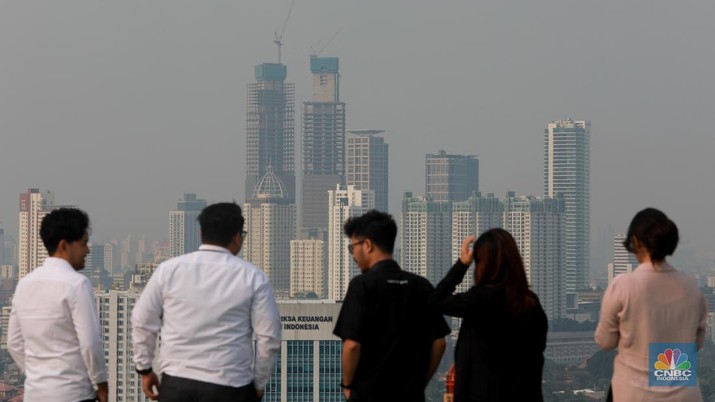
“Pastinya ini akan menjadi stimulus yang positif,” kata Macro Economic & Financial Research Department Head Bank Syariah Indonesia (BSI) Ikram N. Muharam dalam program Power Lunch di CNBC Indonesia, Jumat, (20/9/2024).
Ikram mengatakan penurunan suku bunga acuan ini pada akhirnya akan ikut menurunkan suku bunga kredit. Ketika itu terjadi, kata dia, maka para pebisnis tidak akan ragu untuk melakukan ekspansi. Di sisi lain, konsumen juga akan meningkatkan konsumsinya.
“Pada akhirnya ini akan menciptakan lagi perputaran ekonomi yang lebih baik,” kata dia.
Sebelumnya, Bank sentral Amerika Serikat (AS) The Federal Reserve (The Fed) mengejutkan dunia dengan memangkas suku bunga acuan sebesar 50 basis points (bps) menjadi 4,75-5,0% pada Rabu waktu AS atau Kamis dini hari waktu Indonesia (19/9/2024).
Pemangkasan sebesar 50 bps lebih besar dibandingkan ekspektasi pasar yang hanya 25 bps. Pemangkasan ini merupakan yang pertama sejak Maret 2020 atau empat tahun lalu saat awal pandemi Covid-19.
Beberapa jam sebelum The Fed mengumumkan pemangkasan suku bunga, Bank Indonesia telah lebih dulu mengambil langkah serupa. Dalam Rapat Dewan Gubernur BI September 2024, bank sentral memutuskan memangkas suku bunga acuan BI Rate sebesar 25 bps menjadi 6%.
Kepala Ekonom Bank Permata Josua Pardede mengatakan keputusan BI tersebut akan menjadi penyelamat ekonomi yang mulai menunjukkan tanda-tanda perlambatan. Dia meyakini penurunan BI Rate bakal mendukung pertumbuhan ekonomi.
“Momentum penurunan suku bunga acuan BI diperkirakan mendukung pertumbuhan ekonomi tetap solid,” kata Josua.
Menurut Josua, pelonggaran kebijakan moneter BI akan mendorong penurunan cost of fund yang selanjutnya akan menurunkan suku bunga kredit. Penurunan suku bunga acuan BI ini pada akhirnya akan direspons oleh penurunan suku bunga Pasar Uang Antar Bank (PUAB) yang selanjutnya akan berpengaruh pada penurunan suku bunga perbankan termasuk suku bunga kredit.
“Pada umumnya penurunan suku bunga deposito sekitar 1 bulan sementara transmisi pada suku bunga kredit sekitar 3-6 bulan tergantung dari kondisi likuiditas dan risiko kredit perbankan,” kata dia.
Ketua Umum Asosiasi Pasar Rakyat Seluruh Indonesia (APARSI) Suhendro mengatakan, kelas paling bawahlah yang akan merasakan dampak dari kebijakan pemerintah yang melarang penjualan rokok dalam radius 200 meter dari satuan pendidikan dan tempat bermain anak. Larangan ini terdapat dalam Peraturan Pemerintah 28/2024.
“Kebijakan ini akan mengancam keberlangsungan hidup pedagang. Selain itu, bagaimana pemerintah melakukan pengawasannya?” ungkap Suhendro dalam dialog Coffee Morning dengan tema “Badai Baru Ancam Industri Tembakau: Rencana Kemasan Polos Tanpa Merek”, Kamis (19/9/2024).
Menurutnya, dalam pengawasan jarak ritel tradisional dan modern saja pemerintah belum berhasil. Apalagi ditambah adanya pemberlakuan zonasi penjualan produk tembakau. Belum lagi, semenjak pandemi, banyak pemanfaatan ruang yang berubah, seperti sebagian ruang pada pusat perbelanjaan yang berubah menjadi tempat kursus.
“Saat ini adalah zamannya kolaborasi. Ini pemerintah malah memberatkan, ditambah lagi sekarang ritel dan institusi pendidikan itu jaraknya bisa 0 meter,” tegas Suhendro.
Oleh karena itu, dia menegaskan PP 28/2024 harus direvisi dan menghapus pemberlakuan zonasi penjualan produk tembakau, dan juga membatalkan rencana aturan kemasan polos tanpa merek, sambil memperbanyak edukasi kepada masyarakat.
Dalam kesempatan yang sama, Direktur Industri Minuman, Hasil Tembakau, dan Bahan Penyegar Kementerian Perindustrian (Kemenperin), Merijanti Punguan Pitaria mempertanyakan kebijakan tersebut, dan akan sulit menjustifikasi dan mengimplementasikan kebijakan zonasi penjualan produk tembakau.
“Kebijakan ini seperti tidak melalui diskusi partisipatif dan kolaboratif, sehingga menimbulkan dampak berantai pada perekonomian kita,” tegas Meri.
Meri mencatat implementasi Pasal 435 PP 28/2024 mengenai standardisasi kemasan dan desain produk tembakau seharusnya melibatkan masukan dari Kemenperin. Namun, Kemenperin tidak dilibatkan dalam proses public hearing yang digelar oleh Kemenkes, sehingga suara Kemenperin maupun dari industri hasil tembakau pun terabaikan. “Kejadian ini berulang, dan kami berharap untuk diikutsertakan dalam diskusi kebijakan yang berpengaruh besar terhadap industri kami,” katanya.
Senada, Ketua Dewan Penasihat Himpunan Peritel dan Penyewa Pusat Perbelanjaan Indonesia (Hippindo) Tutum Rahanta mengatakan, kebijakan zonasi penjualan produk tembakau ini mempersulit peritel. Pasalnya, saat ini banyak bangunan vertikal, yang akhirnya justru menimbulkan kerancuan.
Tutum juga menjelaskan bahwa rokok adalah produk legal. Namun Kementerian Kesehatan masih mengutak-atik dan seolah mau membunuh industri ini.
“Saya kira kita harus secara bijak melihat posisi negara kita adalah negara produsen. Sehingga, kebijakan yang diambil juga harus sesuai,” pungkas Tutum.
Negosiator Perdagangan Ahli Madya, Kementerian Perdagangan, Angga Handian Putra beranggapan kebijakan kemasan polos tanpa merek pada produk tembakau di Indonesia yang terdapat dalam Rancangan Peraturan Menteri Kesehatan (Draf Permenkes) tentang Pengamanan Produk Tembakau dan Rokok Elektronik belum tentu efektif dalam menurunkan prevalensi merokok di Indonesia. Angga merujuk pada yang terjadi di Australia yang sudah lebih dahulu melakukan kebijakan ini.
“Australia itu mengeluarkan aturan pada 2013. Saat itu, ada perdebatan antarprofesor apakah kebijakan kemasan polos ini efektif berkontribusi, misalkan menurunkan prevalensi merokok pada kalangan perokok pemula,” kata Angga dalam dialog Coffee Morning dengan tema “Badai Baru Ancam Industri Tembakau: Rencana Kemasan Polos Tanpa Merek” di Jakarta, Kamis (19/9/2024).
Oleh karena itu, menurut Angga, Kementerian Kesehatan seharusnya juga memiliki bukti-bukti ilmiah yang sangat ekstensif, untuk mendukung kebijakan kemasan polos tanpa merek. Ditambah lagi, Indonesia juga tidak bisa secara serta-merta mengadopsi kebijakan polos hanya karena negara lain melakukannya. Pasalnya, beberapa negara memiliki karakteristik yang berbeda.
“Misalnya (Kementerian Kesehatan) mencontoh kebijakan-kebijakan yang sudah juga diterapkan oleh Pemerintah Australia. Pasalnya, Indonesia cukup beragam, artinya berbagai perbedaan itu perlu disikapi bahwa kebijakan kemasan polos tanpa merek yang diterapkan oleh negara lain belum tentu akan efektif diterapkan oleh Indonesia,” jelas Angga.
Angga menyebut, sebelum memberlakukan kebijakan kemasan polos tanpa merek, Australia telah melakukan kajian ilmiah sejak 2009. Artinya kebijakan tersebut telah melalui proses kajian yang panjang. Sementara di Indonesia, aturan kemasan polos tanpa merek belum didukung bukti-bukti ilmiah yang mendukung urgensi penerapan kebijakan tersebut. Bukan hanya itu, Indonesia juga memiliki pertanian tembakau, industri manufaktur, hingga peritel tradisional yang secara kolektif menyerap lebih dari 6 juta tenaga kerja. Kondisi ini tentu berbeda dengan negara lain yang menerapkan kemasan rokok polos tanpa merek seperti Australia.
Oleh karena itu, kata Angga, Rancangan Permenkes yang ada saat ini belum memiliki bukti-bukti ilmiah yang mendukung kenapa kebijakan kemasan polos tanpa merek harus diberlakukan.
“Kami berharap bahwa Kementerian Kesehatan menyertai bukti-bukti ilmiah dan memperhatikan ketentuan-ketentuan WTO yang ada,” pungkas Angga.
Lebih lanjut, Angga menegaskan bahwa pihaknya belum terlibat resmi dalam perumusan RPMK. Sejalan dengan itu, Kemendag juga tengah memberikan perhatian khusus terhadap aturan tersebut secara proaktif, meskipun tidak dilibatkan dalam proses perumusan. Sebabnya, dampak aturan ini sangat besar pada para pedagang maupun jutaan tenaga kerja.
Ketua Umum Gabungan Perserikatan Pabrik Rokok Indonesia (GAPPRI) Henry Najoan menyebut Peraturan Pemerintah 28/2024 tidak dibuat dengan data dan dasar ilmiah. Dia menyebut kebijakan ini hanya meniru negara yang sudah lebih dahulu menerapkan.
“Hal-hal seperti ini yang menurut saya, dengan mudahnya, Kemenkes hanya sekedar copy-paste dari dorongan-dorongan anti-tobacco. Harapan kami, PP 28/2024 maupun Rancangan Permenkes bisa ditinjau ulang dengan membuka diskusi lagi dengan para stakeholders,” pungkas Henry.
Sementara itu, Ketua Gabungan Produsen Rokok Putih Indonesia (Gaprindo) Benny Wachjudi mengatakan, kebijakan yang terlalu membatasi, seperti kemasan polos tanpa merek dan pembatasan iklan luar ruang, hanya akan membuka peluang bagi rokok ilegal yang merugikan negara dari segi penerimaan cukai. Pasalnya, pabrikan formal yang mematuhi regulasi malahan justru terancam.
Tak hanya itu, kebijakan ini juga akan menyebabkan adanya biaya tambahan karena pabrikan harus melakukan penyesuaian saat proses produksi untuk mencetak kemasan polos tanpa merek. Oleh karena itu, Benny pun menolak standarisasi kemasan melampaui mandat yang diamanatkan beleid tersebut.
“Kebijakan ini berpotensi mengurangi daya saing produk lokal dan justru membuka peluang bagi peningkatan rokok ilegal. Sebagaimana terhadap Pasal 435 pada PP 28 Tahun 2024 yang sebaiknya dihapus, standardisasi kemasan di RPMK ini juga sebaiknya dihapus,” tegas Benny.
Melansir CNBC.com, Berkshire menjual 5,8 juta saham BofA pada hari Jumat, Senin, dan Selasa lalu, dengan total nilai hampir $228,7 juta. Harga rata-rata per saham yang terjual adalah $39,45, menurut dokumen regulasi terbaru.
Aksi jual di minggu ini pun memperpanjang rekor penjualan selama 12 sesi berturut-turut, sama seperti periode antara 17 Juli hingga 1 Agustus. Sejak awal aksi jual, Berkshire telah menjual lebih dari 174,7 juta saham BofA senilai $7,2 miliar, dengan sisa kepemilikan sebesar 858,2 juta saham atau sekitar 11,1% dari total saham yang beredar.
Saham BofA kini berada di urutan ketiga dalam daftar kepemilikan terbesar Berkshire, setelah Apple dan American Express. Sebelumnya, BofA merupakan kepemilikan terbesar kedua Berkshire.
Pada tahun 2011, Warren Buffett membeli saham preferen Bank of America senilai $5 miliar setelah krisis keuangan. Pada tahun 2017, Buffett mengonversi hak waralaba tersebut, menjadikannya pemegang saham terbesar di BofA. Buffett menambah 300 juta saham lagi pada tahun 2018 dan 2019, memperkuat posisinya di bank tersebut.
Menanggapi hal ini, CEO Bank of America, Brian Moynihan, dalam sebuah konferensi pada hari Selasa, menyatakan bahwa ia tidak mengetahui alasan di balik keputusan Buffett untuk menjual saham. Moynihan mengatakan bahwa pasar menyerap saham tersebut, dan sebagian saham yang dijual juga dibeli kembali oleh bank.
“Dia hanya yakin untuk melakukan penjualan dengan cara yang besar. Dan dia melakukannya. Dan itu memberikan hasil yang luar biasa baginya. Kami senang bahwa dia berhasil,” ujar Moynihan.
Sejak awal Juli, harga saham Bank of America hanya turun sekitar 1%, namun secara keseluruhan telah naik 16,7% sepanjang tahun ini, sedikit melampaui performa indeks S&P 500. Moynihan memuji keputusan Buffett untuk berinvestasi di Bank of America pada 2011, saat bank tersebut tengah mengalami krisis terkait kredit macet.
Moynihan menjelaskan bahwa jika investor membeli saham Bank of America pada hari yang sama dengan Buffett, mereka bisa mendapatkan saham dengan harga rendah sebesar $5,50 per lembar. Saat ini, harga saham tersebut hampir menyentuh $40 per lembar.
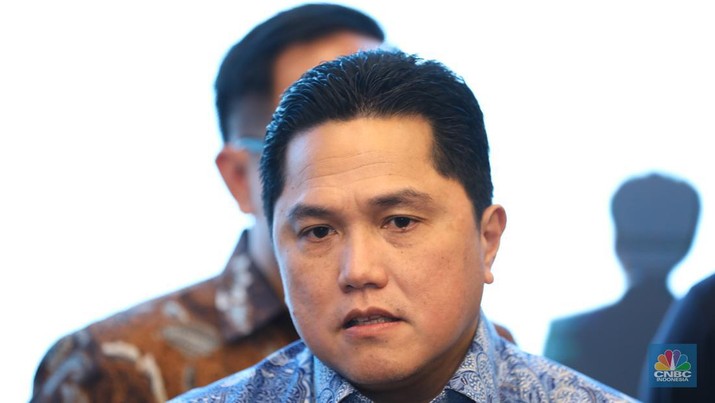
“Di Korea ada Kakao, di China ada WeChat. Ya mudah-mudahan di Indonesia ada Livin yang harus kita dorong menjadi agregator untuk apakah payment buat booking hotel, pesawat terbang, kereta api, ekosistemnya udah ada di BUMN,” ujarnya saat peresmian gedung Mandiri Digital Tower Jakarta, Rabu (18/9).
Erick menyebut, potensi digital market di Tanah Air sangat besar yaitu dapat mencapai senilai Rp 4.000 triliun pada tahun 2030 mendatang saat puncak bonus demografi Indonesia.
“Sampai kapan ini dikuasain asing? Payment system, transaksi, semua,” ungkapnya.
Saat ini, melalui PT Bank Mandiri (Persero) Tbk. (BMRI), BUMN telah memiliki ekosistem digital. Namun, bukan berarti Ia memperbolehkan adanya monopoli yang dilakukan di perusahaan pelat merah.
“Tapi saya tidak bisa meng-guarantee monopoli, enggak boleh. Karena ada Livin, ada bank lain, tapi kalau kita memberikan yang maksimal, saya rasa ini ekosistem yang dibangun dan saya berharap tadi, tentu saya, Pak Wamen pasti mendorong ekosistem digital di Kementerian BUMN, melalui perusahaan-perusahaan BUMN-nya kita harus benar-benar menjadi leading sector di market yang ribuan triliun di tahun 2030 itu. Sayang, dan saya yakin Mandiri dengan Livin-nya bisa,” jelasnya.
Erick menambahkan, Ia juga berharap bank Mandiri dapat melakukan terobosan-terobosan dalam memanfaatkan bonus demografi tahun 2030 mendatang.
“Kami dari Kementerian BUMN terus saya rasa mendorong transformasi baik yang harus kita lakukan untuk kebaikan pertumbuhan ekonomi negara kita dan juga kesejahteraan rakyat Indonesia sebagai tentu bagian komitmen kita memastikan hal itu terjadi,” pungkasnya.